
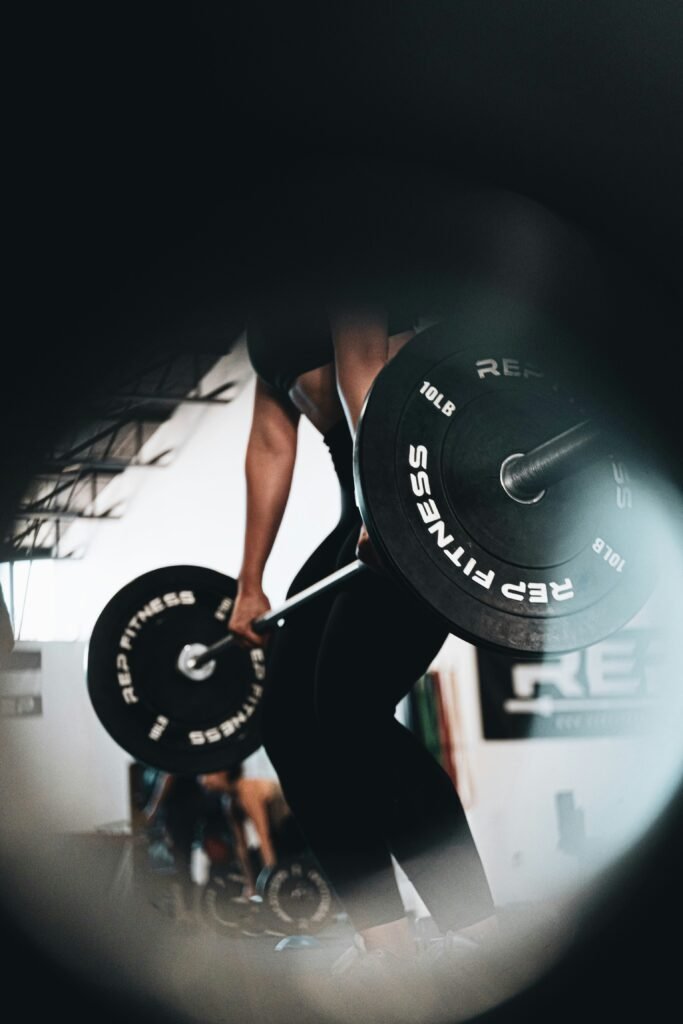
If you’re a woman over 40 and you’ve found yourself thinking:
“I’m eating well, I’m working out… so why does my body feel and look different?”
You’re not imagining it.
And more importantly—
you’re not doing anything wrong.
What’s changed is your physiology.
Perimenopause shifts how your body responds to stress, exercise, and nutrition. The strategies that worked in your 20s and 30s don’t just become less effective—they can actually start working against you.
And this is where things need to change.
Perimenopause Changes the Rules
As estrogen begins to fluctuate and decline, your body becomes more sensitive to stress.
This affects:
- how you build and maintain muscle
- how your body stores fat (especially around the midsection)
- your recovery
- your metabolism
One of the biggest shifts?
👉 You start losing muscle more easily.
And muscle is not just about aesthetics.
It’s your:
- metabolic engine
- protection against injury
- foundation for independence as you age
Why What Used to Work Stops Working
Many women have been taught to:
- work out fasted
- push through long cardio sessions
- burn as many calories as possible
Because that’s what worked… or what we were told works.
But here’s the truth:
👉 Women are not smaller versions of men.
And this matters more than most people realize.
As Dr. Stacy Sims puts it:
“Women are not small men. We are hormonally different and respond differently to training and nutrition.”
When a woman trains fasted—especially during perimenopause—the body can interpret that as a stress signal.
Instead of efficiently burning fat, it can shift into a preservation mode—holding onto fat stores while breaking down muscle to meet energy demands.
👉 The exact opposite of what most women are trying to achieve.
Dr. Stacy Sims also emphasizes:
Add in long bouts of cardio, and you’re often increasing overall stress on a body that is already more sensitive to it.
This combination can:
- make it harder to build or maintain muscle
- increase fat storage (especially around the midsection)
- leave you feeling depleted instead of energized
This is often why women feel:
- “softer” despite working out
- more fatigued
- stuck in a cycle of doing more but getting less back
👉 This is exactly why in my coaching, we don’t train fasted.
We focus on:
- properly fuelling the body before training
- building strength with intention
- using tools like HIIT and SIT strategically—not excessively
Because the goal isn’t to burn yourself out.
👉 It’s to create an environment where your body feels safe enough to build muscle, release fat, and actually respond to the work you’re putting in.
Strength Training Is No Longer Optional
This is where the shift needs to happen.
Strength training is not just something you should do.
👉 It becomes essential.
Because it helps:
- preserve and build muscle
- support bone density
- improve insulin sensitivity
- reshape body composition
- maintain long-term independence
This isn’t about chasing a certain look.
It’s about:
- being able to get off the floor if you fall
- avoiding hip fractures
- staying out of a nursing home
- continuing to move freely and confidently
Where HIIT and SIT Fit In
Now, this doesn’t mean you need to spend hours in the gym.
In fact, more is not better here.
👉 Smarter is better.
This is where:
- SIT (Sprint Interval Training)
- HIIT (High-Intensity Interval Training)
can be powerful tools when used properly.
These types of training:
- help preserve lean muscle
- target visceral fat (the kind linked to health risks)
- improve cardiovascular fitness efficiently
But the key is balance.
Too much high-intensity work—without proper recovery or strength training—can still push the body into a stressed state.
This Is a Lifestyle Shift, Not a Phase
Perimenopause asks for a different approach.
Not more effort—
but more intention.
That means:
- lifting weights with purpose
- prioritizing recovery
- fuelling your body (not training on empty)
- training in a way that supports your hormones, not fights them
For Calgary Women 40+
Living in Calgary, we also deal with:
- long winters
- less natural daily movement
- busy schedules
Which makes structured, effective training even more important.
You don’t need to spend more time working out.
👉 You need to train in a way that actually works for your body now.
Where to Start
If your body feels like it’s changing and what you’re doing isn’t working anymore, that’s your signal—not to push harder—but to shift your approach.
You don’t need more workouts.
You need the right kind of training for your body now.
If you’ve been:
- training fasted
- doing more cardio and seeing fewer results
- feeling stronger mentally but not seeing it physically
👉 there’s a better way to approach this.
I work with women 40+ in Calgary who are ready to stop guessing and start training in a way that actually supports their body through perimenopause and beyond.
We start with a movement analysis, where I assess how your body moves, what it needs, and how to build a strength-based plan that works for you—not against you.
From there, everything becomes more intentional:
- how you train
- how you fuel
- how your body responds
💬 If this resonates with you, you can reach out here:
www.michellefreimark.com/contact